City of Boston
APPLIED RESEARCHClient:City of Boston Mayor’s Office, Boston Public Schools Athletics Department
Location: Boston, MA
Year: 2024
Overview
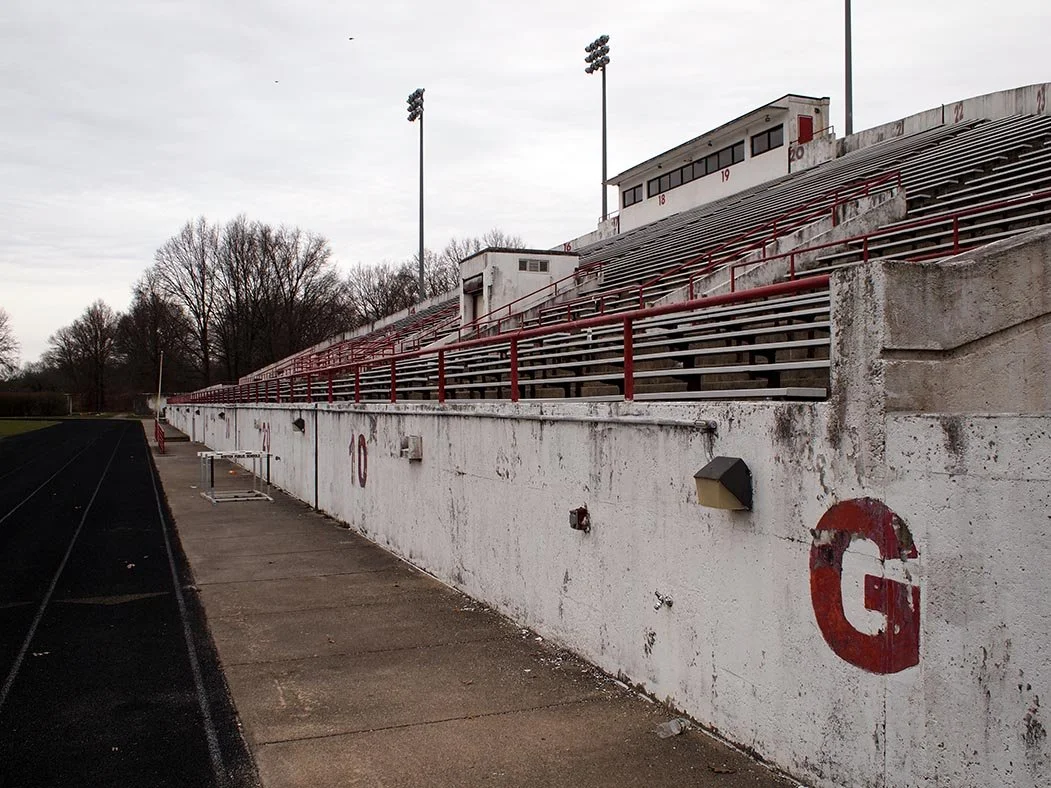
In 2023, Boston Public Schools committed to ensuring that every student “learns and thrives in schools that support a holistic and high-quality student experience.” Athletics is a foundational piece of that experience – but BPS Athletics, operating across 31 schools with 243 teams and a budget of roughly $4.9 million, was stretching limited capacity across competing demands. Some student populations were underserved, program quality was inconsistent across schools and seasons, and the tension between competitive varsity programs and developmental, inclusive offerings had no clear resolution.
Mayor Michelle Wu was elected with a sweeping mandate, and athletics were a pillar of her platform. The BPS Athletics Department was doing a lot with very little – but without a clear picture of what it was trying to be, it couldn’t prioritize, communicate its value, or coordinate with the broader ecosystem of youth sports organizations across the city to truly deliver a high-quality student experience.
What We Did
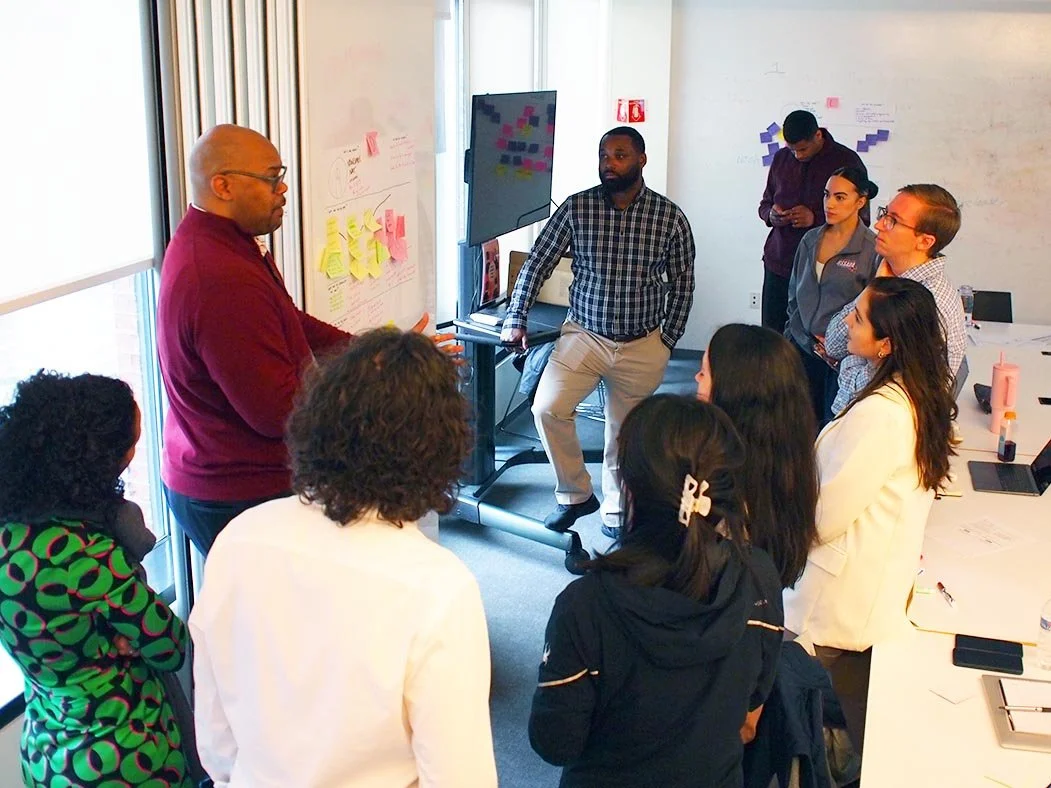
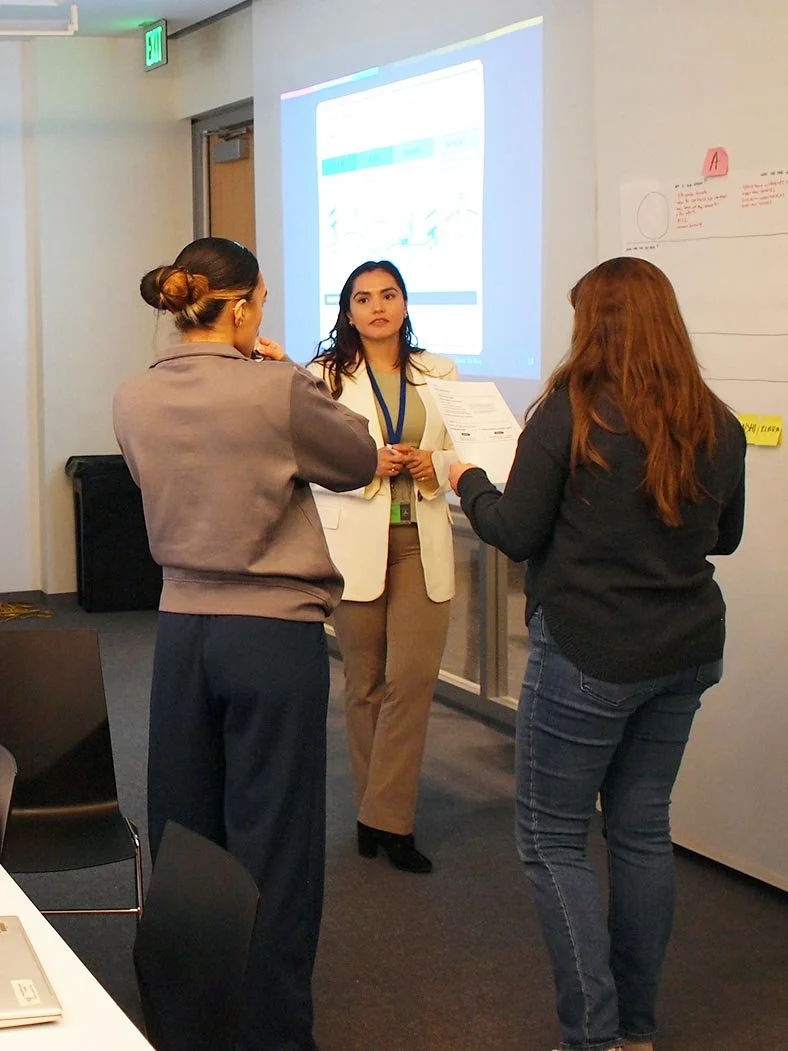
Our role was to define what a high-quality student experience of athletics entails, identify gaps between the current offerings and that experience, and point out ways to close the gaps. Over five months, Field States ran a three-phase research and strategy process: Discovery, Sensemaking, and Synthesis. We surveyed and workshopped with over 1,000 students, 350 staff, and 200 parents across 66 schools. We conducted expert interviews, and scanned best practices nationally. We even brought on two BPS high school students to design and conduct peer-to-peer interviews.
Field States’ research led to a clear reframe: BPS Athletics didn’t need more programs – it needed to define and articulate a “package” of services and resources it offers to schools, then clarify the ecosystem of partners who can augment it. Many of these core services already exist, but they are not presented as a coherent offering. Defining that package would allow the department to communicate its value, set expectations, guard against scope creep, and coordinate with partner organizations including BCYF, neighborhood leagues, and nonprofits, helping school leaders navigate the full landscape of athletic opportunities available to their students.
What We Made
A 132-page capacity analysis, vision, and strategic planning report, including a detailed map of the BPS Athletics ecosystem, student personas, a draft definition of high-quality and inclusive athletics, near-term operational recommendations, and a phased roadmap for developing a district-wide strategy in partnership with the Mayor’s Office, BPS leadership, and community stakeholders. Surveys, focus groups, workshops, and communications materials throughout the project.
Impact
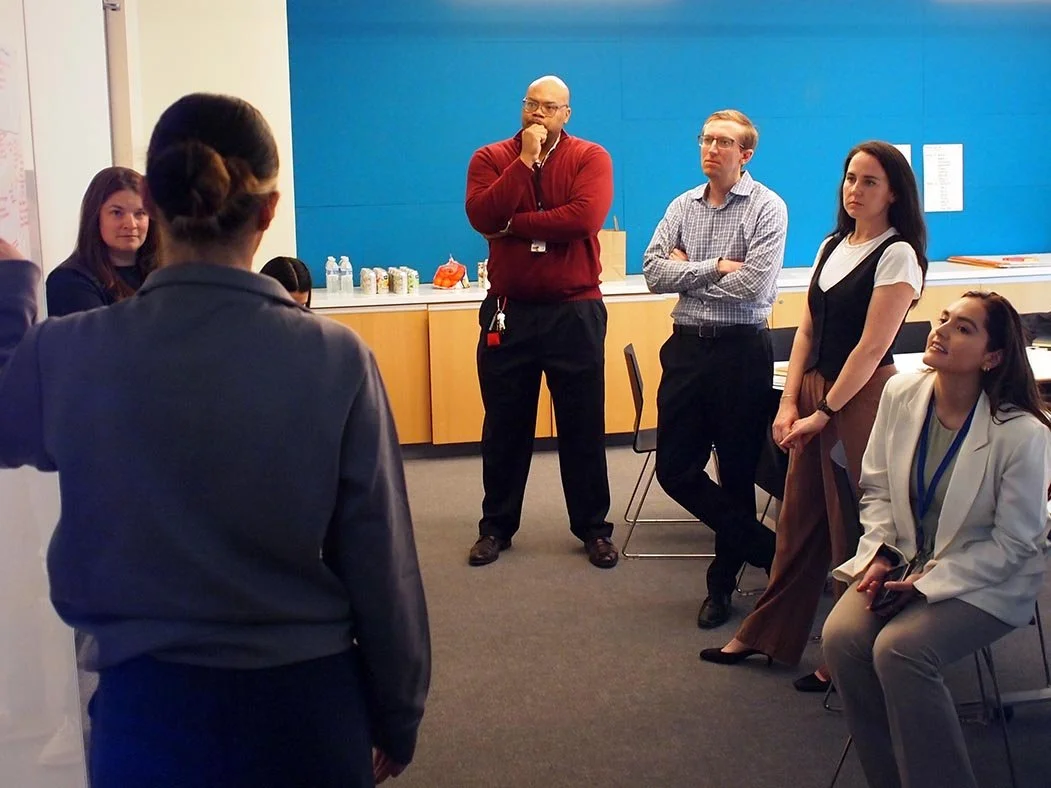
The report gave Boston a comprehensive, research-grounded picture of how athletics actually works across the district, where the gaps are, and an analysis of existing capacity. More importantly, our work reframed the challenge from “how do we do more?” to “how do we define what we do, do it consistently, and coordinate with the organizations that do the rest?” — a shift that makes the path forward actionable within the department’s capacity.