

Field Discovery
Research and ideas from the practice of Adaptive Urbanism
Field Discovery is where we think out loud. Through essays, white papers, commissioned studies, and publications, we explore the questions at the core of our work: how buildings adapt, how cities learn, and how new value is created under conditions of uncertainty. Field Discovery is where we publish the research that informs our practice. Our field is undergoing a generational sea change. Sharing good questions, leading-edge insights, and strong opinions (lightly held) is the best chance we have for the seismic change to create positive outcomes.
Latest from Field Discovery
Matthew Claudel
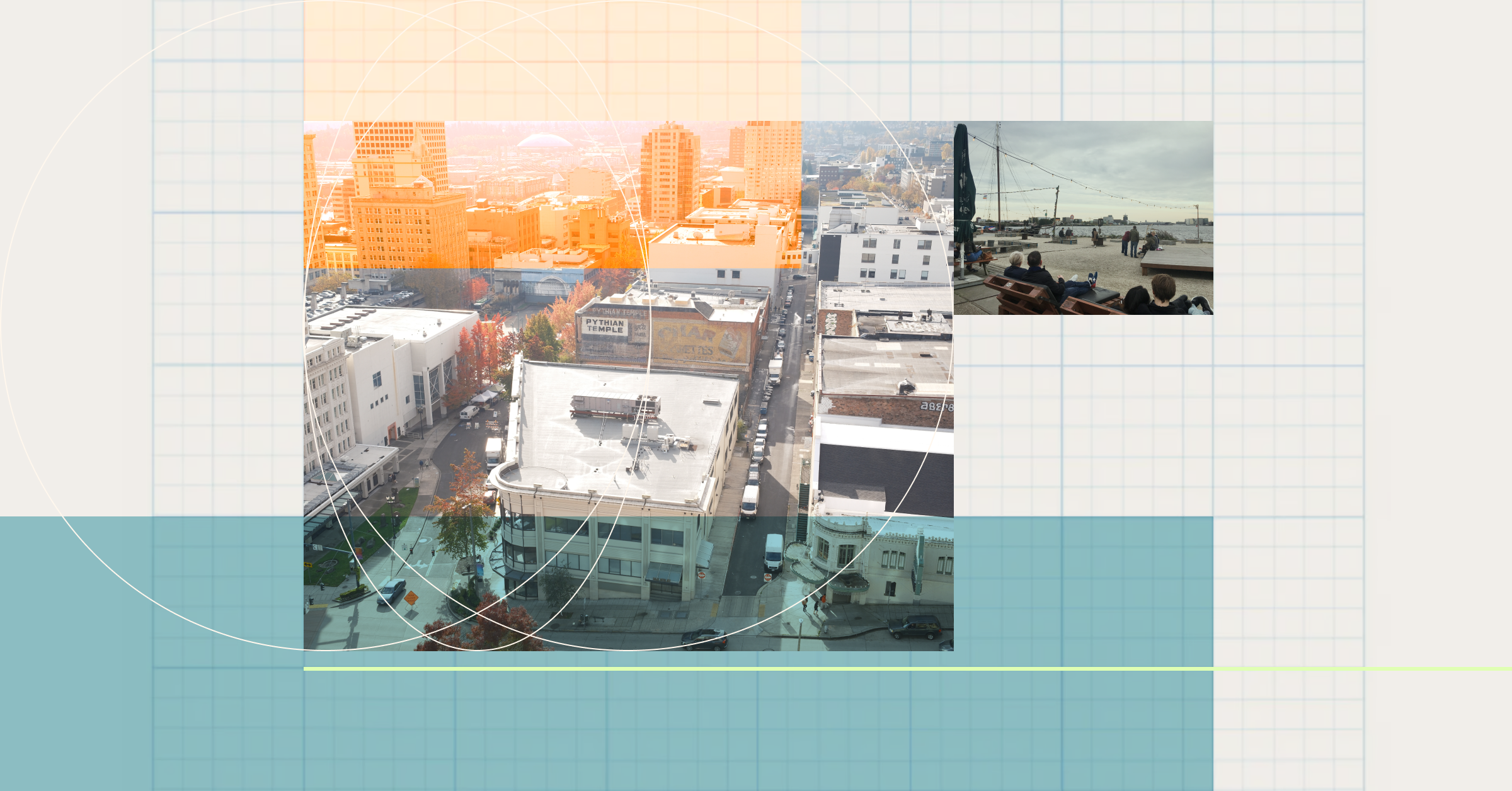
There is a coffee trailer parked at 5th and Madison most days; you’ll see it when you walk past City Hall, or when you step out of a meeting at the PacWest tower. Arrow Coffee & Desserts looks natural here – Portland is a food truck city, after all. What’s surprising is that Arrow Coffee & Desserts is parked in front of a vacant former Starbucks.
AUGUST 07 2026 | ADAPTIVE URBANISM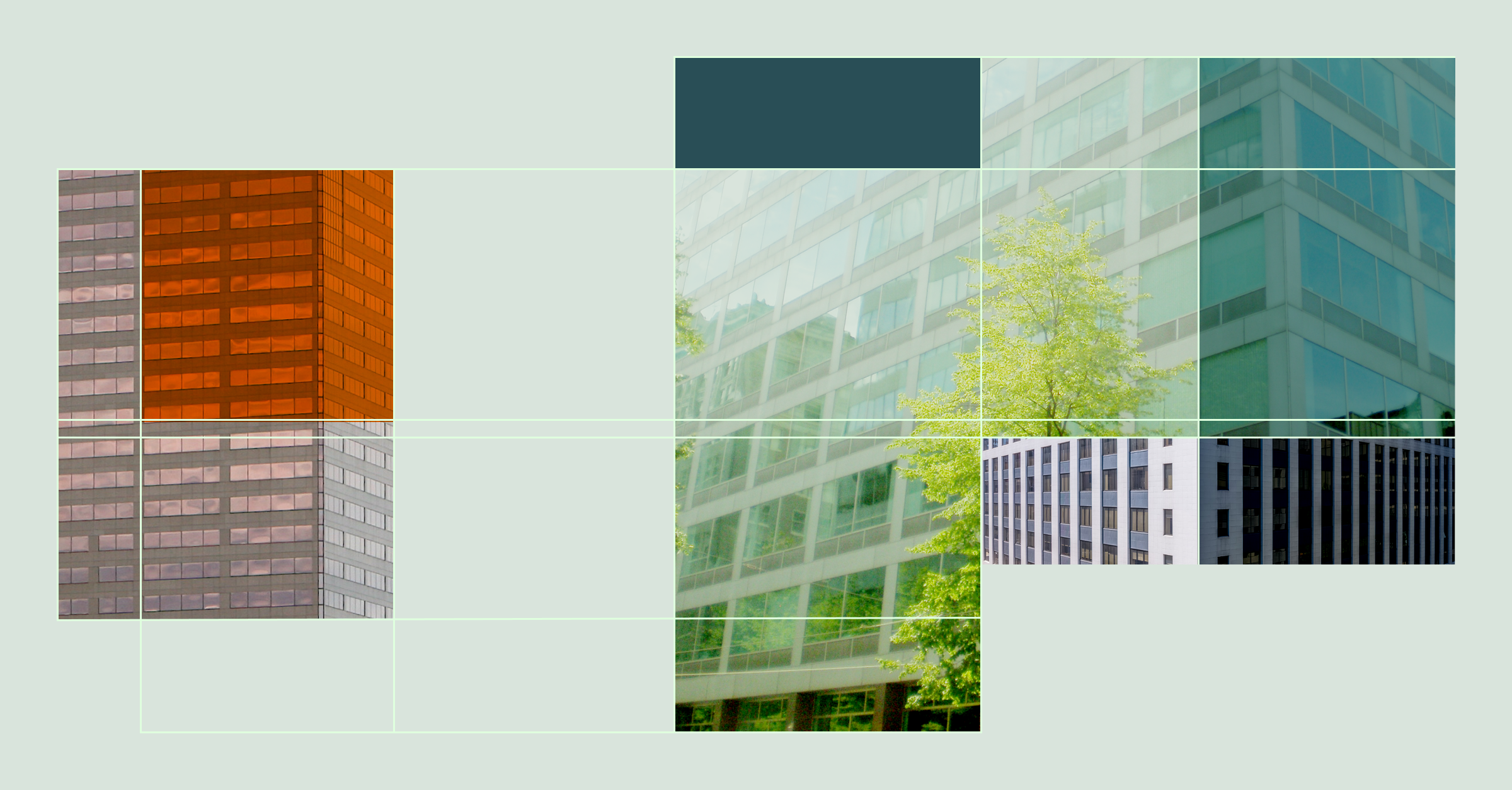
Matthew Claudel and Simon Giles
To buy carpet is to be overwhelmed with options; loop pile, wool, nylon. It is not the most expensive flooring option (compared to, say, hardwood) but it’s easy to spend over $20 per square foot on nice material and installation in a commercial building. Or, for about the same cost, you could just buy the building.
JULY 15 2026 | ADAPTIVE URBANISM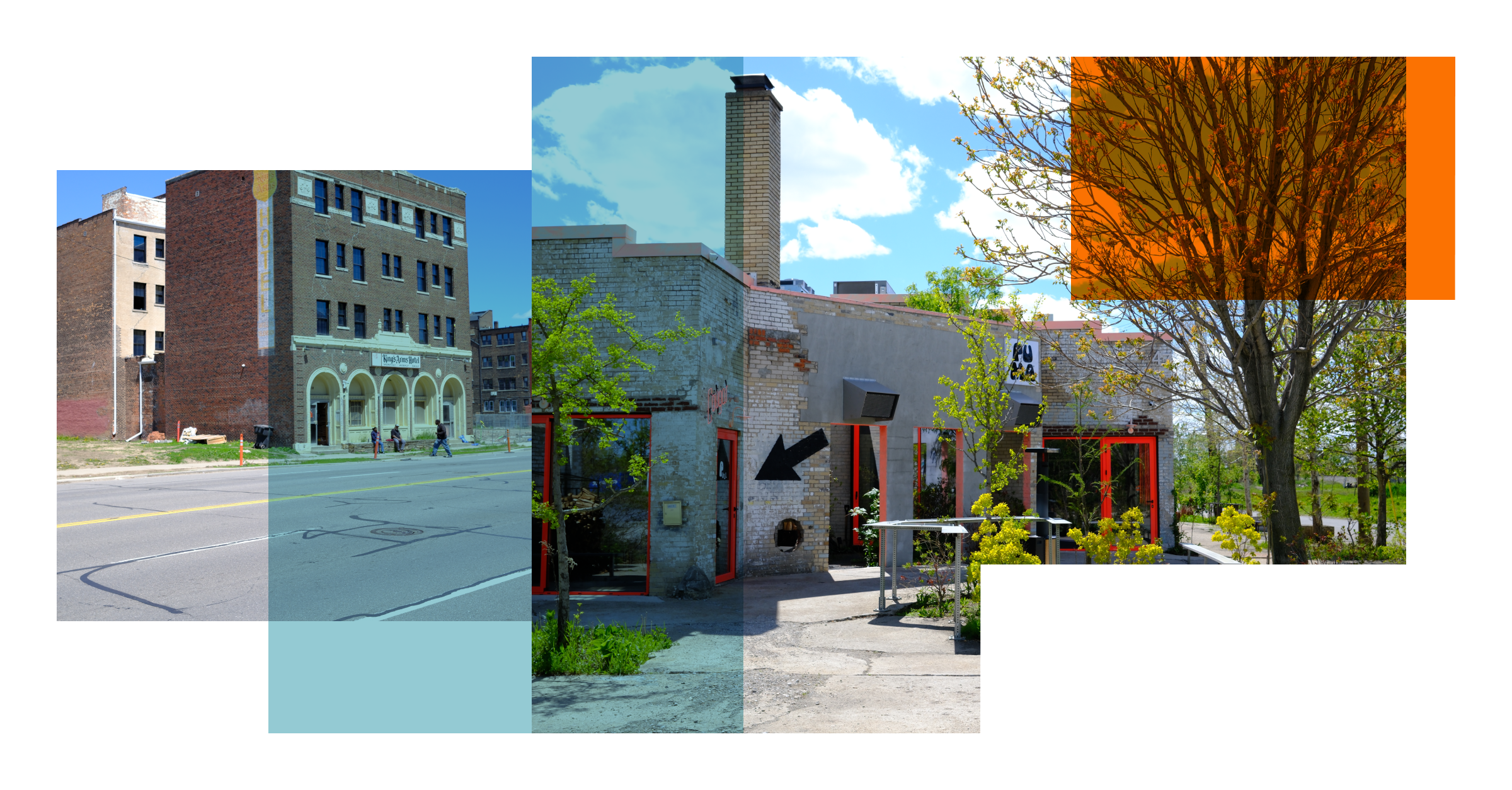
Matthew Claudel
A room full of architects, developers, technologists, and public officials gathered in a revitalized industrial warehouse in Detroit to ask why the sector that builds our futures is so bad at imagining its own.
JULY 02 2026 | ADAPTIVE URBANISM
Portland’s Adaptive Capacity: The Role of Design Commission
Matthew Claudel
What can you build on your own land? The answer to that question depends on where you ask it and what you’re thinking of building. Intuitively, you might imagine that you can build what you want, as long as it conforms to the zoning and building code – but the answer is different in Portland, New York, and Houston. Here in our backyard, the Design Commission is responsible for approving large-scale projects, and they have a clear mandate.
JUNE 11 2026 | ADAPTIVE URBANISM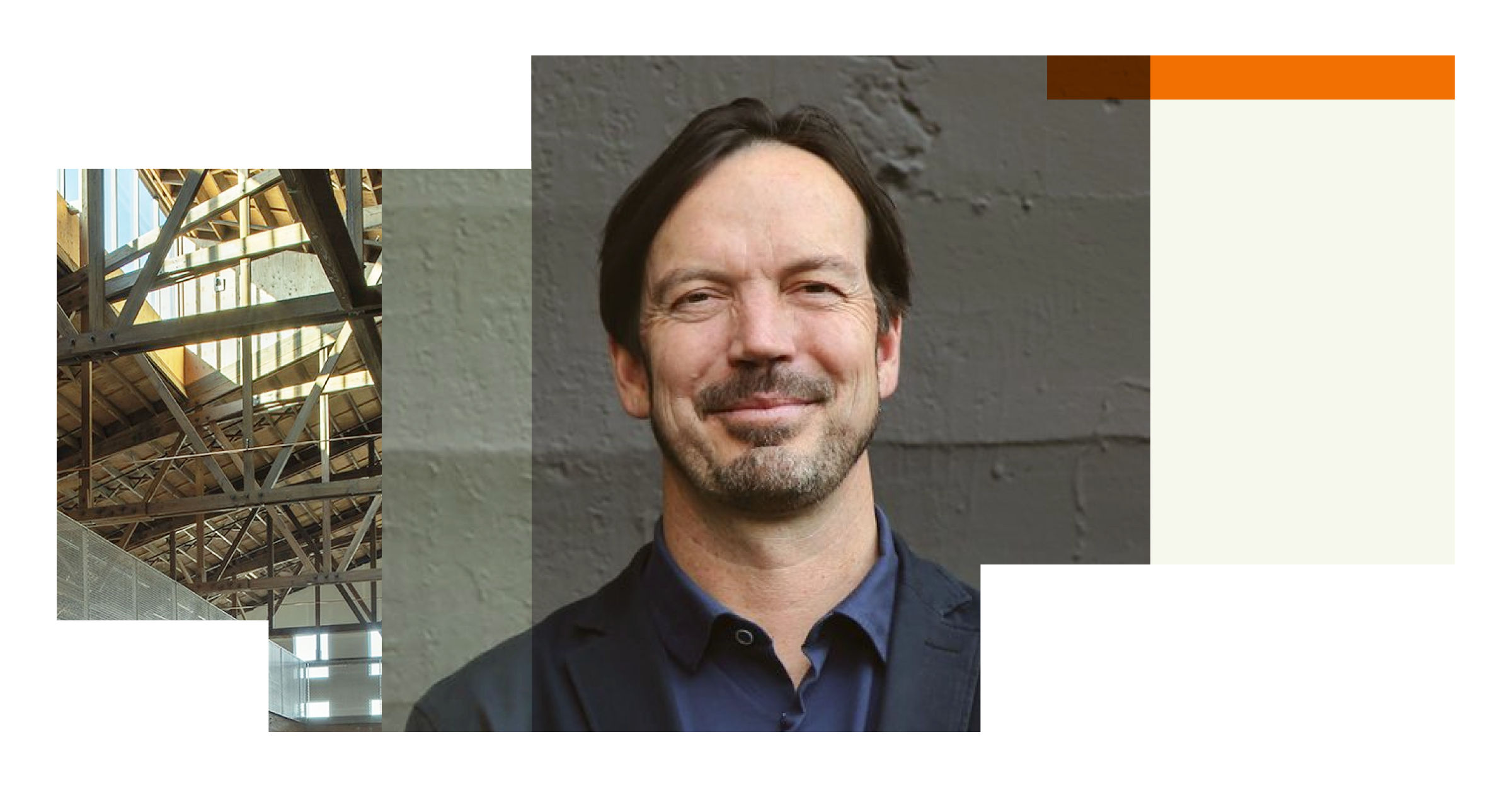
Interview with Thomas Robinson
Matthew Claudel
Michael Wilkerson works at the intersection of public policy and private real estate economics, and he is arguably the most visible economist working on Portland’s urban condition. He has authored the analyses that validate and in some cases, challenge the Adaptive Urbanism thesis. This is the first in a series of recorded interviews for adaptive urbanism.
MAY 27 2026 | ADAPTIVE URBANISM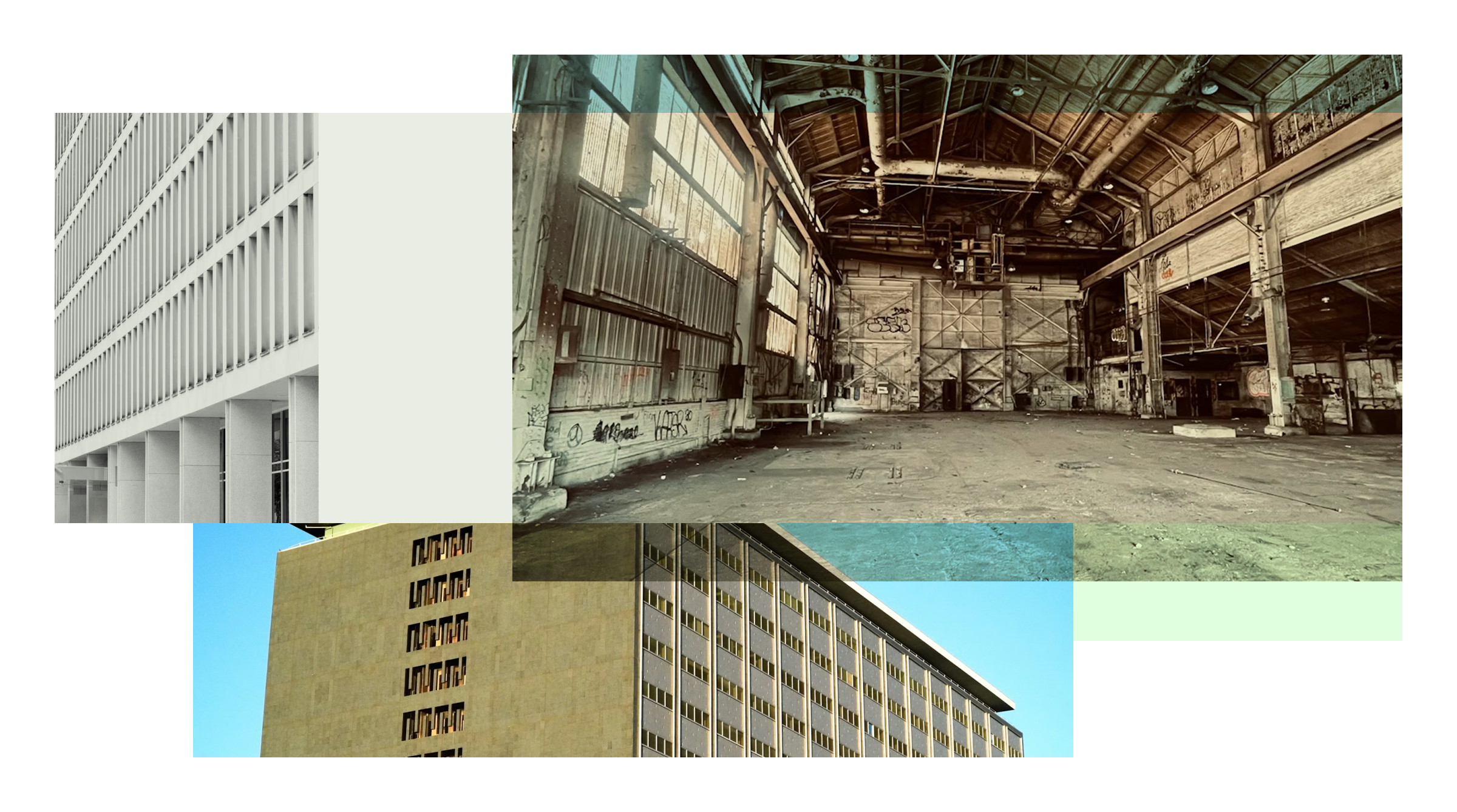
The Design Imperative of Adaptive Urbanism
Matthew Claudel and Simon Giles
This is the eighth in our Adaptive Urbanism series. Previous essays have focused on foundational pillars – what we refer to as “imperatives” – for adaptive urbanism. The cognitive imperative focused on data to sense urban change as it is happening, the institutional imperative focused on governance and stewardship, and the economic imperative focused on finance and capitalization for the built environment, in a world of increasing volatility. This is the design imperative, and it is the most visible expression of Adaptive Urbanism.
MAY 15 2026 | ADAPTIVE URBANISMCommissioned Research
Field Discovery produces contract research, feasibility studies, white papers, and policy analysis—the same analytical rigor behind our consulting work, applied to a specific question.
WHAT WE PRODUCEPolicy Analysis
Evaluating existing or proposed measures
Market Intelligence
Detecting early signals, trend analysis, and precedent studies
Custom Research
We embrace difficult challenges and great ideas
Interested in commissioning research?
Schedule a call to share your ideas, and we will scope a research engagement around rigorous, independent analysis.