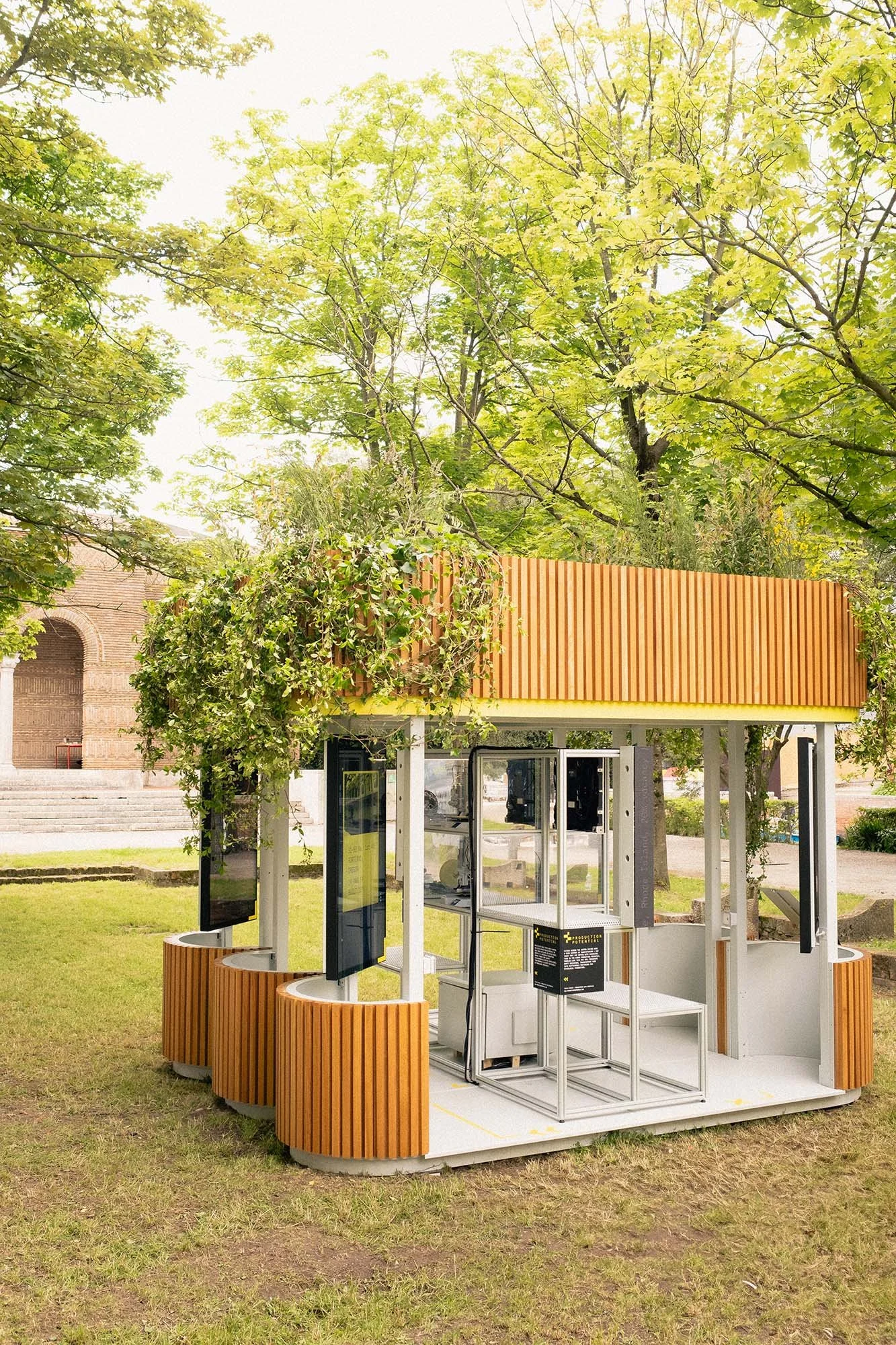
Production Potential
APPLIED RESEARCHClient: Self-initiated (Field States research)
Location: Venice Italy
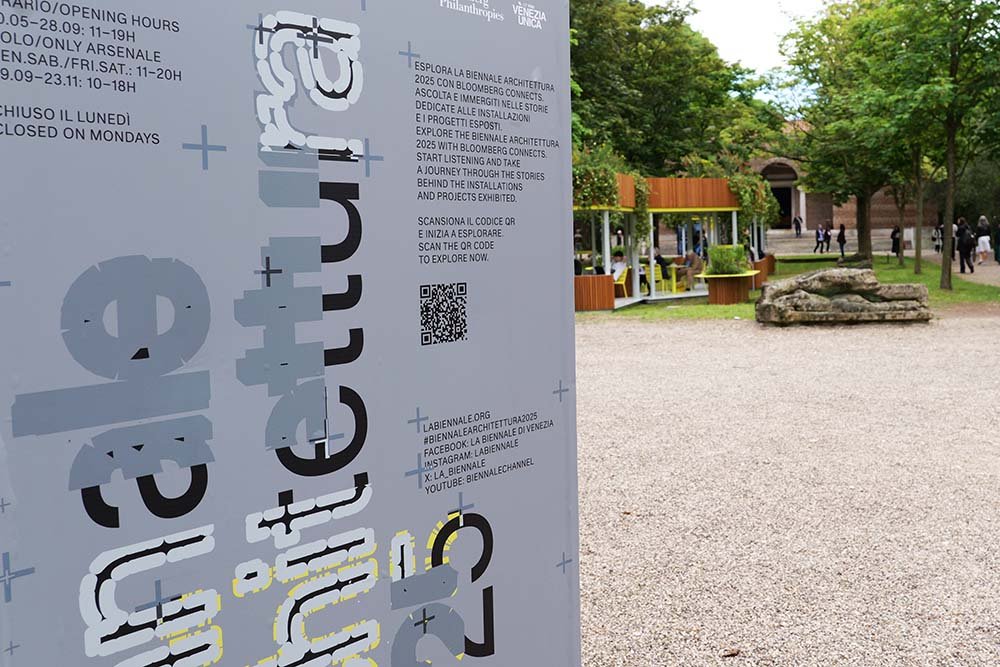
The 19th International Architecture Exhibition — La Biennale di Venezia Architettura 2025, curated by Carlo Ratti
Year: 2025
Partner: Versostudio
Overview
America’s cities were built for physical production – cars, jewelry, shoes, furniture. With the deindustrialization of the 1980s and 90s, downtowns shifted to white collar work. In 2020, knowledge work disappeared, leaving cities like Providence, Rochester, Portland, Detroit, and Grand Rapids in crisis. Buildings stand empty, as monuments to a vibrant industrial past. Production Potential explores a new use for the buildings the knowledge economy left behind: advanced manufacturing, as a new form of production that can revive heritage craft, strengthen American businesses, and provide a new economic base for cities.
What We Did
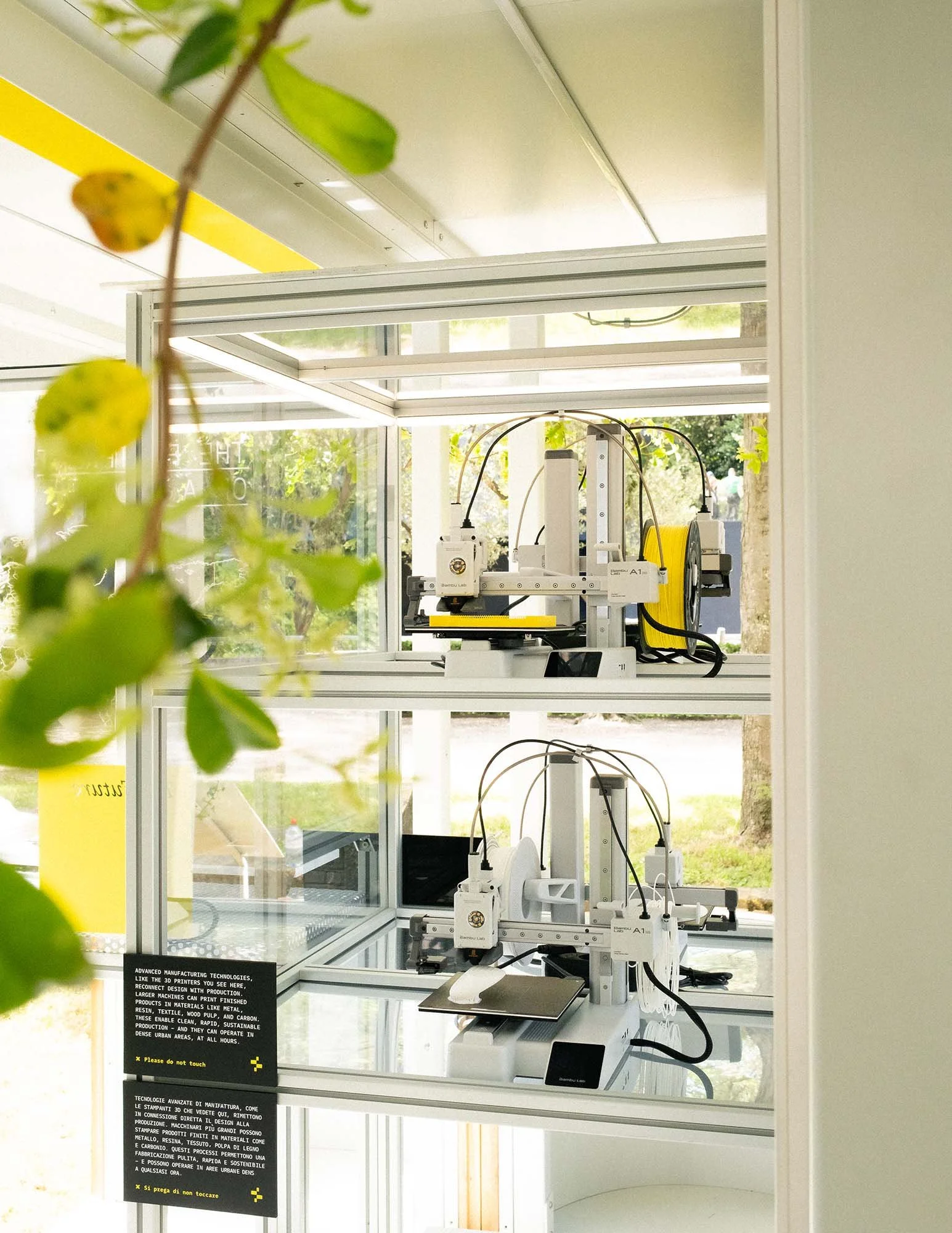
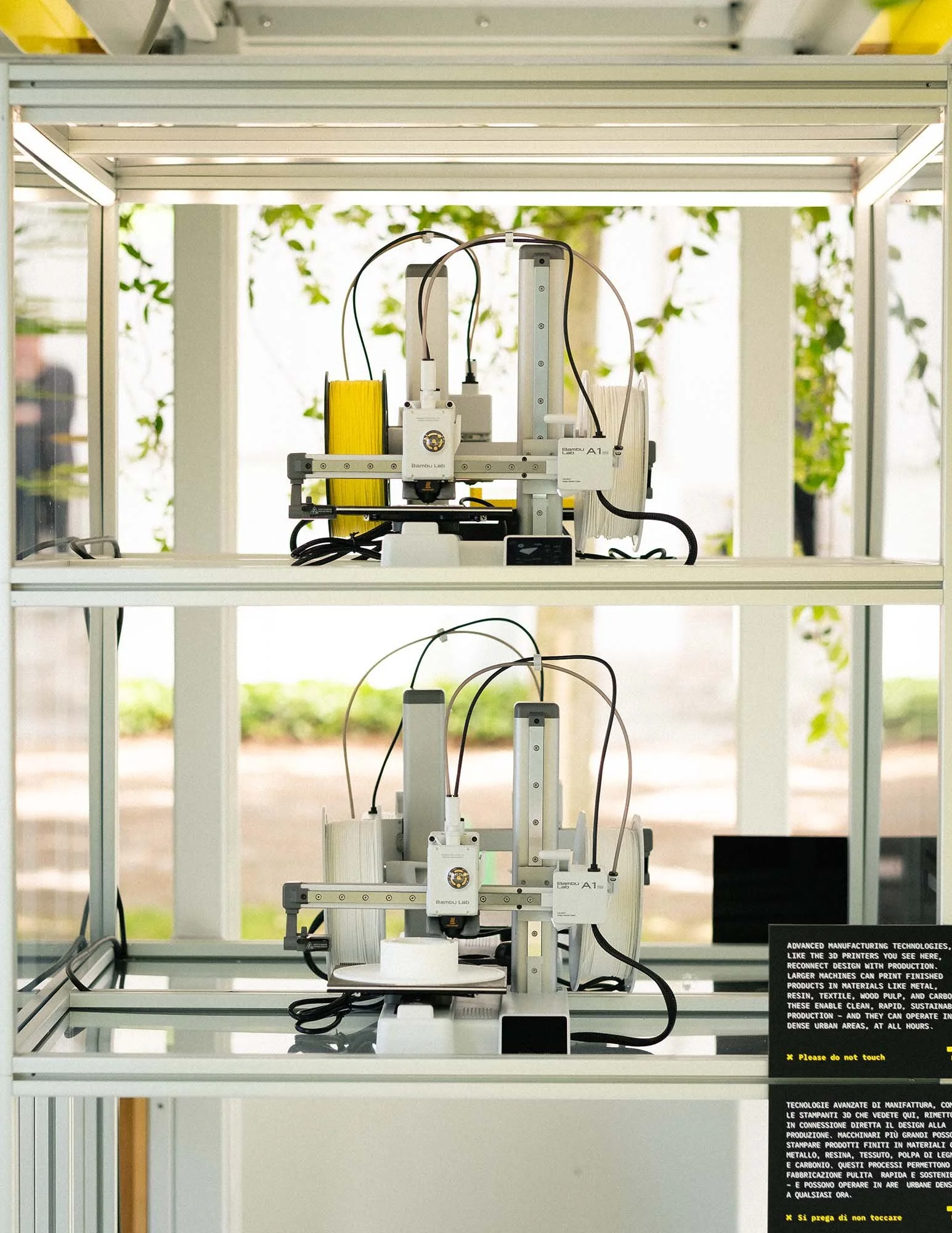
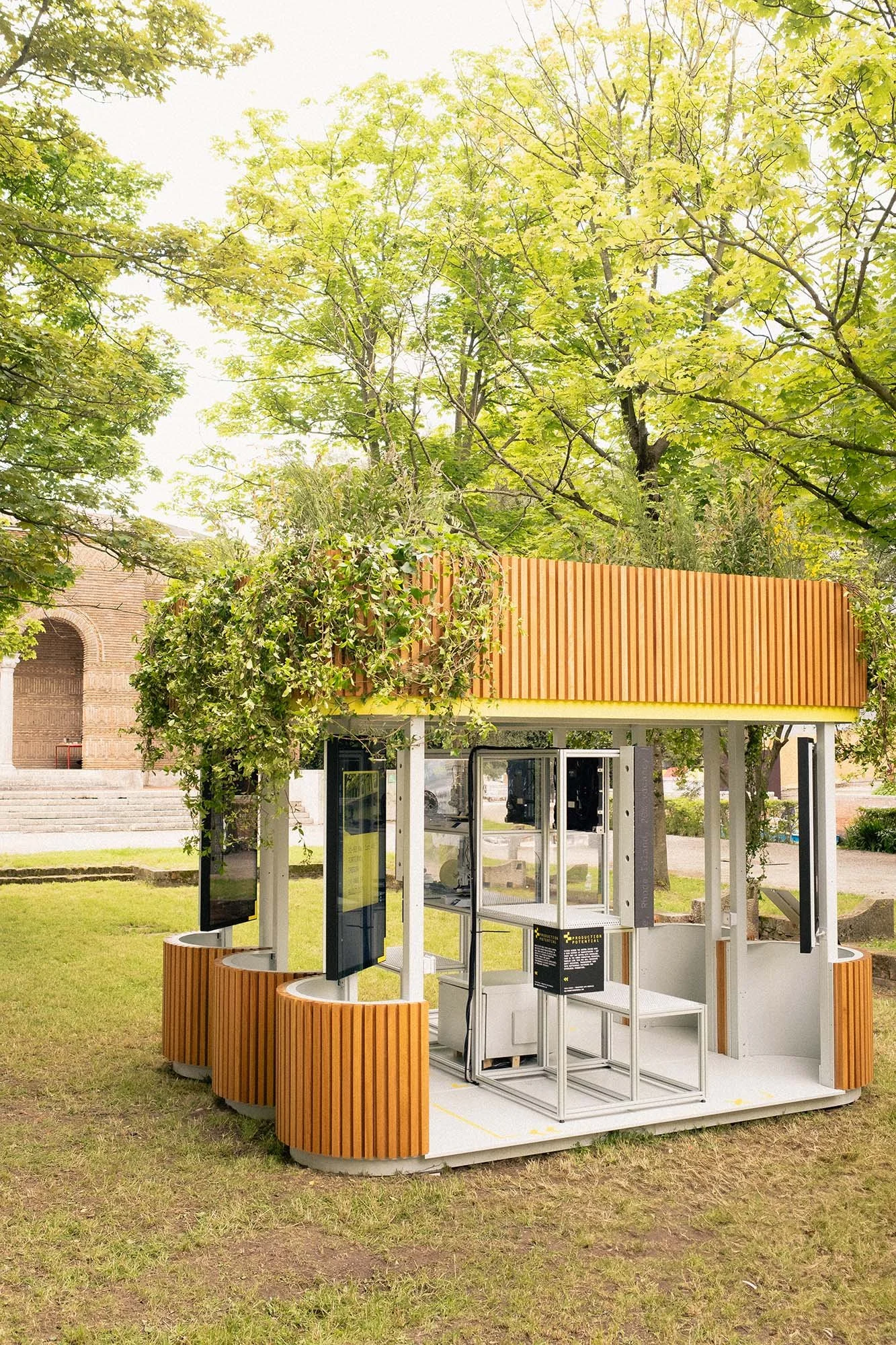
Field States developed a dynamic installation for the 19th International Architecture Exhibition – La Biennale di Venezia 2025, curated by Carlo Ratti under the theme Intelligens. Natural. Artificial. Collective. The installation synthesized Field States' research on downtown vacancy, manufacturing heritage, and the emerging potential of advanced production technologies in urban cores – making the case visually and analytically that adaptive reuse of aging industrial and commercial buildings and advanced manufacturing are converging into a single urban strategy. The design was developed in collaboration with Versostudio. The content of the Production Potential installation is translated into a large-format, design-forward book.
What We Made
A research-driven installation exhibited at the Venice Architecture Biennale, along with the underlying analytical framework connecting downtown vacancy to advanced manufacturing potential. A physical book that collects all of the Production Potential content.
Impact
Production Potential was shown on the international stage, at a time when global supply chains were in flux, and American downtowns were hollowing out. Hundreds of thousands of visitors saw the installation in Venice, leaving architects, planners, and designers inspired by the possibilities of revitalization through advanced manufacturing and adaptive reuse of historic buildings.